Taking care of yourself and the environment (Ch. 13-15)

Welcome Back!

CHAPTER 13

Chapter 13, “Violence and Unintentional Injuries”, discussed different kinds of crimes and injuries and what you can do to protect yourself and those you love. The chapter opened up by discussing the crime trends in the U.S. Crime often has a lot to do with things like your gender, ethnicity, socioeconomic status, sexuality, and location. From 1970 to the early 2000’s, the FBI reported an increase in crime in the U.S. However, after this, it appeared to have decreased. That is, until 2015, when it saw an overall raise of 1.7%. However, this number only includes reported crimes. This can skew the numbers, because many crimes in the U.S go unreported, especially in the case of sexual assault. In the past decade, violence at school has seen a sharp increase, with things like school shooting and political protests.

Aggression is one of the main contributors to violence. Primary aggression is goal directed, hostile self-assertion that is destructive in nature. On the other hand, reactive aggression is most often an emotional reaction brought about by frustration. Things that contribute to aggression and eventually violence include religious differences, stress and other mental health issues, and societal factors. Aggression and violence has also been linked back to the increase in violent media such as violent video games.

One example of interpersonal violence is homicide. Homicide is murder or non-negligent murder. It is the thirteenth leading cause of death in the U.S and its rate is much higher than that of other developed nations. Other examples of interpersonal violence include hate and bias-motivated crimes. These crimes target those of certain races, ethnicities, sexual orientations, genders, religions, or disabilities. These crimes are often motivated by feelings of thrill, retaliation, and feeling threatened.

Another type of violence is violence within families. One example of this is domestic violence, which is the use of force or control to maintain power over someone in the same home as you. This often occurs between child and parent or between spouses. Another type of violence within families is intimate partner violence. This type of violence is when there is physical, sexual, or psychological harm done to someone by a former or current partner or spouse. Nearly half of all men and women in the U.S have said that they have been psychologically harmed by a partner in their lifetime. In the most extreme of cases, this violence can lead to a murder. 75% of all murder-suicides in the U.S happen between intimate partners. Child abuse and neglect is another type of violence that can occur within families. One example of this is neglect, which is a failure to provide for the needs of a child.

Another type of crime is sexual victimization, which is any instance where an individual is coerced or forced to perform sexual acts with another. One example of this is sexual assault, which is when someone is sexual with another person without their consent. Another example is rape, which is often referred to as the most extreme case of sexual assault. This occurs when there is penetration without the victims consent. 1 in 5 women and 1 in 59 men have reported to have been raped sometime in their life. Fortunately, rape is thought to have declined since the 1990’s, perhaps due to the increased amount of awareness and education. However, it is still an issue that many fall victim of, especially on U.S college campuses. Other forms of sexual violence include sexual harassment and stalking. Sexual harassment is any form of unwelcomed sexual conduct related to employment or student performance. Stalking, on the other hand, is conduct towards another that leads to a reasonable sense of fear. This is another problem that is strongly prevalent on college campuses. College students are 200% more likely to fall victim to stalking than other people.

Collective violence is violence that occurs from one group to another. Gang violence and terrorism are both examples of collective violence. With over 33,000 gangs in the U.S, gang violence has been increasing within the nation within recent years. Gangs often give individuals a sense of self-worth, security, and friendship, which is why nearly 1.4 million people engage in gang activity. Terrorism, on the other hand, is the use of force or violence against persons or property to intimidate or coerce a government, the civilian population, or any segment to promote political or social objectives.

There are many ways that you can lessen your chances of becoming a victim of violence. A big part of this is practicing safe behaviors while using social networking. This includes not posting anything on the internet that you don’t want people to see, not meeting an online stranger in real life when you are alone, and changing your passwords often. Another way to protect yourself is by learning self defense, which can help you protect yourself from rape and other assaults. If a friend does fall victim to rape, you should make sure that you believe them, encourage them to see a doctor, and help them reach authorities.

Because of the prevalence of violence on campuses, colleges across the nation have taken steps to protect their students. This includes reviewing emergency alert systems, having more serious actions to prevent hazing, and increasing law enforcement on campuses. Ways that you can stay safe on campus include always carrying a phone, varying your routes, parking near lights, and locking your door as soon as you get in your home or car.

Motor vehicle accidents are a major source of injury in the U.S. In 2016, over 40,200 Americans died of injuries that were a result of motor vehicle crashes. Distracted driving is one cause of motor vehicle crashes. Example of things that can cause distracted driving is using a phone while driving, talking with a passenger, eating or drinking, or even tending to a child. Impaired driving is also a contributor to the rate of motor vehicle crashes in the U.S. Two things that are main contributors to impaired driving are alcohol and marijuana. In 2015, there were 10,265 people killed in alcohol impaired crashes. Not using a cell phone while driving, not tailgating, and obeying all traffic laws are some of the ways in which you can avoid being a victim of a motor vehicle accident.

Other ways in which people can get injured are through everyday recreational activities. These include biking, swimming, and boating. For example, it is reported that 45,000 people were injured and 818 people died due to bike accident in 2015. Wearing a helmet and knowing how to use hand signals are both ways that you can avoid being injured while biking. Other ways in which you can practice safe recreation is by not speeding on a bike or skateboard, not drinking alcohol while swimming, and checking the weather before boating trips.

Another common way to become injured is through noise. About 20 percent of the population has some sort of hearing loss. Things that can put you at risk are noises that are over 84 decibels. This includes motorcycles, headphones playing at max volume, and chainsaws. Keeping the volume of music down and wearing ear protection with things like motorcycles and chainsaws are ways in which you can avoid noise induced hearing loss.

To avoid injury at home, it is important to practice safety when it comes to potential poisoning, falls, and fires. Reading the labels on medications is one way that you can avoid a possible poisoning. For falls, it is important to install slip proof matts in shower and wear supportive shoes. To prevent fires, safety tips include keeping lamps away from curtains and linens, have proper fire extinguishers, and replace batteries in smoke alarms periodically.

One thing that I thought about during this chapter was that a healthy lifestyle can affect your mental health. This chapter talked about how a lot of violence is a result of emotional reactions and mental illness. I believe that eating healthy keeps my mental health healthy as well and based on this chapter, may even reduce my aggression. Although this is not something that I struggle with, I think it is interesting to think about how a healthy lifestyle and diet could affect someone in this way.

CHAPTER 14

Chapter 14, “Environmental Health”, talks about the things that threaten our environment and resources and how we can help. One thing that threatens our planet is overpopulation. The population on earth has nearly tripled since 1950, from 2.5 billion people to over 7 billion. This number is projected to reach 9.8 billion by 1950. This is due to a jump in fertility rates, which is the number of children women have in specific regions. Another thing that has caused this increase is a decrease in mortality rates across the world. This is due to better technology and health care. Another result of this is that people are living longer, which gives them more time to use the earth’s resources.

The U.S has one of the largest ecological footprints. An ecological footprint is a measure of the biologically productive land and water area an individual or a population occupies and uses. That means that compared to other countries, we are using a much greater amount of the world resources. Currently, it is estimated that we would need about 1.6 earths to meet the resource demands of the current population. Population growth has had an impact across the globe. One example of this is on animal populations. We are destroying the habitats of species at an alarming rate. Nearly 25 percent of earth’s mammals are threatened or extinct. Our energy consumption is also a problem, as we are using fossil fuels at an alarming rate. The United States is among the greatest users of these non renewable resources.

Air pollution is the presence of substances not found in perfectly clean air. Greenhouse gases are one thing that contributes to air pollution. In the U.S, fossil fuels are to blame for 37 percent of these greenhouse gases. One main source of this is fossil fuels that are used to generate electricity. The second greatest source is transportation. Air quality is measured using the Air Quality Index, which is a scale from 1 to 500. 0 to 50 is considered to be good. One the other extreme, from 301 to 500 the air quality is considered to be hazardous. Another problem that plagues the planet is the depletion of our ozone, which protects us from harmful UVB radiation.

Air pollution can also occur indoors, which is a cause for concern as we spend about 90 percent of our time indoors. The number one source of indoor air pollution environmental tobacco smoke, also known as secondhand smoke. Other causes include home heating, asbestos, and formaldehyde. Indoor air pollution can lead to something called sick building syndrome, which is when people within a building experience health effects with no specific known cause. It can also lead to asthma, which has seen an increase in the last 20 years.

Greenhouse gases are one of the main culprits of climate change, which is the shift in typical weather patterns across the world. Global warming is a type of climate change in which average temperatures increase. An alarming 97 percent of scientists agree that the world’s temperatures are increasing. Some evidence that supports climate change is that sea levels have risen 6.7 inches and glaciers are disappearing at fast rates. Some ways in that we should be working to reduce these effects is by reducing the amount of logging we are doing, improving energy efficiency, and switching to hybrid and electric cars.

Pollution in water is also something that causes concern, as about 75 percent of the earth is covered in it. Only 1 to 2 percent of this however is available for us to drink. Over half of the population faces water shortages. Some things that cause water to become contaminated are industrial pollutants and pesticides. Fracking, which is a method of extracting natural gas from the ground, is another thing that threatens our water. It also threatens our air as well, along with being a threat to wildlife and possibly causing earthquakes. Some ways in which we can help use less water is by turning the tap off while washing dishes, taking shorter showers, and only washing full loads of laundry.

Much of what ends up polluting our water starts by polluting our land first. Solid waste is one thing that pollutes our land. On average, each person in the U.S produces 4.5 pounds of waste each day. Experts say that we could be recycling about 90 percent of this waste instead of letting it pollute our earth. Along with recycling, other ways to reduce the amount of land pollution is by composting and practicing waste prevention and reduction. Another thing that pollutes our land is hazardous waste. Manufacturers and individuals in the U.S produce about 40 million tons of it each and every year. Batteries, paints, and cleaning products are all household products that get thrown away and eventually become hazardous wastes in our environment.

Radiation, which is energy that travels in waves or particles, is another thing that pollutes our earth. Nonionizing radiation includes radiofrequency energy that is emitted through cell phones. Ionizing radiation includes x-rays and can be very dangerous for humans. Nuclear power plants are also a concern when it comes to radiation, as the number of power plants may increase in the next decade.

Being more mindful and sustainable can help make a difference when it comes to the environmental health of our planet. Making green electronic choices is one way in which you can help. Other ways in which you can help are looking for products with less packaging, bringing reusable bags to the grocery store, and reducing your consumption of meat, dairy, and other animal products.

Environmental health is actually one of the things that first encouraged me to become a vegetarian. Using less animal products helps the environment, proving to be yet another advantage of eating more fruits and veggies! This week, as I was eating my fruits and veggies, I thought a lot about how my mindfulness when it comes to my diet allows me to do my part in helping the environment.

CHAPTER 15

Chapter 15, “Consumerism and Complementary and Integrative Health Care Choices”, discusses different methods and forms of health care. One way to minimize your reliance on the formal medical system, which can be pricey, it is important to practice self care. Promoting your own health and preventing disease before you get sick is important when it comes to this. You can do this by properly using over-the-counter medicine, knowing first aid for simple injuries, and eating a healthy diet. Along with this, you need to know when to seek help such as if you have severe chest pain or yellowing of the skin and eyes. You can be proactive about your health by knowing family history, writing down questions before an appointment, and getting second opinions when you feel uneasy.

When choosing a health care provider, it is important to make sure that you are getting the best care that you can. To make sure that you are making the right decision, you can consider things that include whether or not they listen to your need and concerns, if they explain problems and treatments clearly, and if their reviews online are reliable and accurate. Feeling comfortable with your provider is important and will ensure that you are able to express your concerns. Knowing your rights as a patient is also an important step of the process.

Allopathic medicine is mainstream medicine. Treatment includes medicine, surgery, vaccines, or other treatments provided by a medical professional. It uses evidence-based medicine, meaning that decisions are based on clinical experience and scientific research. Nurses, nurse practitioners, and physician assistants all play a role in this type of medicine.

Prescription drugs can be obtained with a written prescription from a physician. You need to pay attention to the medicines that you take and make sure that you are taking the right ones and the ones that you are comfortable with. There are several online sites that can assist you in making the best choice when it comes to medicines and becoming more educated in what you take. Nearly half of Americans report to have used a prescription drug in the past month. It is also important to be educated on the over-the-counter drugs that you take.

Medical practices that are outside of the mainstream allopathic ways has been increasing popular in recent years. Complementary health approaches are non-mainstream practices and products commonly used together with conventional medicine. On the other hand, alternative health approaches are used in place of conventional medicine. An example of this would be a person using herbal remedies instead of surgery or radiation as treatment for cancer. This type of alternative medicine is rare, as most people use non-mainstream practices alongside mainstream practices. The non-mainstream medicine that is most widely used is natural products. This is followed by deep breathing, yoga, and chiropractics.

Traditional Chinese Medicine is part of the complementary medical system. One of the foundations of this is qi, which is a person’s vital energy. Other examples of complementary medicine include homeopathy and naturopathy. Homeopathy is based on the principle that “like cures like.” This is centered on the idea that a small dose of an illness will prep that bodies defense mechanism to fight off the illness. On the other hand, naturopathy emphasizes the power of nature to restore health. This form of health care uses approaches like diet, supplements, colon cleansing, and therapeutic counseling to heal.

Other forms of complementary health are mind and body practices are manipulative therapies. This is usually administered by a trained practitioner. Some of these mind and body practices include yoga, chiropractics, meditation, and massage therapy. Other mind and body practices are considered energy therapies. One example of this is acupuncture. With this, fine needles are used to stimulate different points of the body. Another example of energy therapy is acupressure, which is based on the principle of qi. With this, pressure is used to stimulate similar points of the body as done in acupuncture. Mindfulness meditation is yet another form of a mind and body practice. This is often used to reduce stress, anxiety, and depression and can even improve physical conditions like asthma.

Despite the many ways in which you can be treated, it is likely that you use some form of health insurance to pay for your treatment. Some important components of health insurance costs are deductibles, co-payments, and coinsurance. Deductibles are payments you make for healthcare before insurance coverage comes in to pay for services. Co-payments are set amounts that you pay per service or product received, despite the total cost of the service. Coinsurance is the percentage of costs that you must pay based on the terms of your specific policy. There are two main government-funded programs that help people get health insurance that otherwise would not be able to attain it. One of these programs is medicaid, which provides insurance to low-income people. The other, medicare, provides insurance for people who are 65 or older, have certain disabilities, or have permanent end-stage kidney damage.

Many people across the U.S struggle to get access to quality health care. While we do have a huge amount of physicians, we have a shortage of lower-paid primary care physicians. With most hospitals in urban areas, rural areas also lack health care resources. The U.S spends more on health care than any other nation. However, we fall behind in quality when compared to other nations. It is our responsibility to assess the quality of care that we are being provided and make smart decisions when it comes to our own health.

This chapter talked about how your health care has a lot to do with what you put into it and the research that you have to do to ensure that you are getting the best care. This reminded me of one the motivating factors of my journey, which is to take charge if my own health. This chapter also talked about self care and disease prevention and how this can help you rely less on health care systems. Eating more fruits and veggies and overall improving your diet falls into the practice of self care. Eating a diet full of more fruits and veggies helps your immune system and overall makes me feel better. Leading a life like this will hopefully lead to less sickness and less trips to the doctor. As this chapter says, it is so important to take care of your body and take charge of your health. That is something that motivates me to keep on with my journey, even after this class ends!
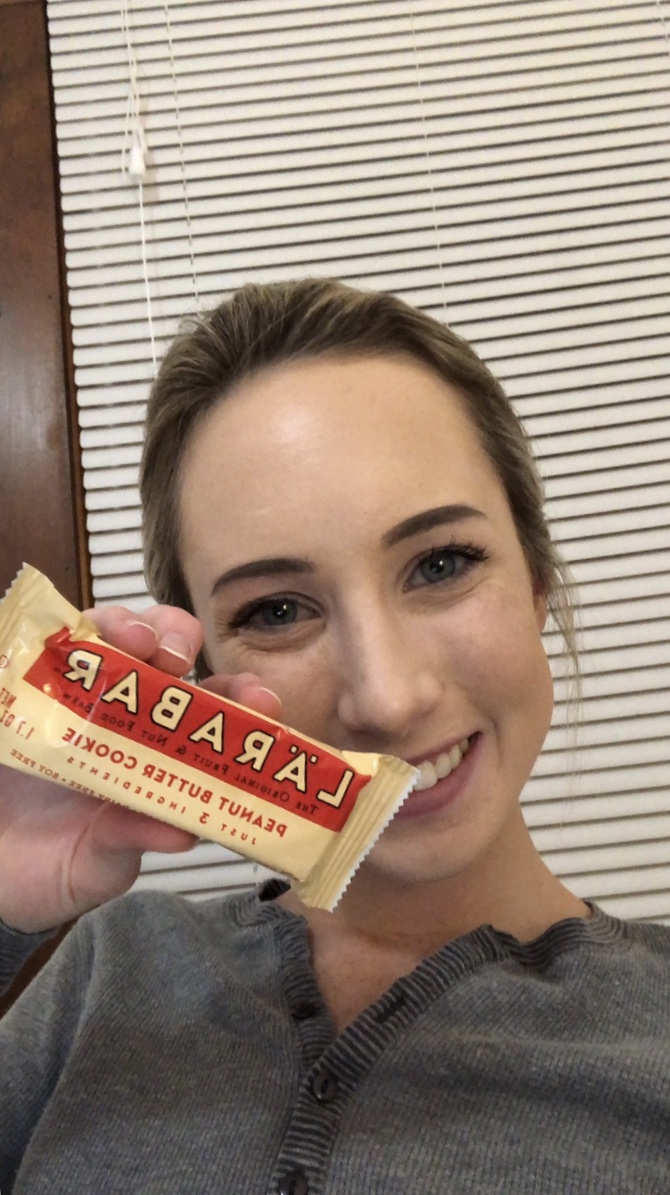
Healthier snack choice:

Instead of grabbing some chips or other unhealthy snack this night, I decided to grab a Larabar instead. This isn’t exactly a full serving of fresh fruit, but it is mostly made of dates. I felt like I was getting at least some fruit in for the day and it was actually really good!
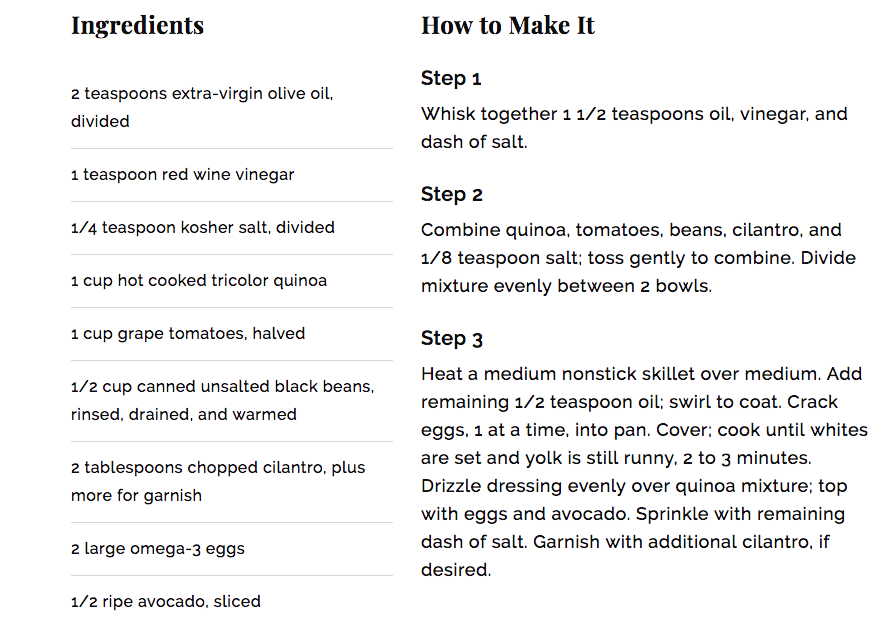
Easy and quick dinner idea:

I made this for dinner one night this week but unfortunately didn’t get a picture of it! It is super easy and so so good! Plus you get some fruit in from the avocado and some veggie in from the tomatoes!

I found the recipes at https://www.cookinglight.com/recipes/quinoa-bowls-avocado-egg!

Sources: Donatelle, R. J. (2018). My health. Upper Saddle River: Pearson.
Taking Care of Your Body and Health (Chapter 10-12)

Welcome Back!

CHAPTER 10

Chapter 10, “Fitness”, talks all about getting motivated for physical activity, what it does for your health, and different components of fitness. The book defines physical activity as “any body movement that works your muscles, uses more energy than is used when resting, and enhances health”. Physical activity can come in many forms and vary greatly in intensity. A certain kind of physical activity is considered to be exercise. This is when physical activity is planned, structured, and repeated to improve and maintain physical fitness. Physical activity is beneficial for your health. At the same time, not participating in physical activity puts you at risk for health problems. Increased time sitting are linked to higher risk of things like cardiovascular disease, cancers, and type 2 diabetes. Physical activity is measured in METS, which is the amount of oxygen the body uses during the activity.

There are different types of fitness that we can use to describe different things about ourselves. For example, cardiorespiratory fitness is used to describe the ability and effectiveness of our lungs, heart, and blood vessels as they supply the body with oxygen. On the other hand, muscular strength is used to describe the capability of our muscles to exert a certain amount of force. Other types of fitness include flexibility and body composition.

Regular physical activity can have many different positive effects on your body and health, affecting a wide array of health aspects. Aerobic exercise is good for reducing your risk for cardiovascular diseases by strengthening the heart muscle and supplying more blood to working muscles. By increasing the amount of oxygen going into and out of your body, regular exercise also improves the respiratory system. Another way in which exercise improves your health is by decreasing your risk of metabolic syndrome, which puts you at risk for heart disease and diabetes. Among the many advantages, exercise also been proven to reduce your risk of cancer and improve immunity. It not only has an affect on your body physically, but it also is proven to improve mental health and decrease levels of stress. Overall, regular physical activity, and moving as much as you can in general, has shown to have profound effects and has even shown to increase the amount of year a person lives.

Getting motivated for physical activity begins with addressing our excuses or obstacles and coming up with solutions for overcoming them. For example, if faced with the obstacle of not having enough time, a possible solution could be engaging in physical activity during your lunch or study break. When looking to incorporate more physical activity into your life, you should choose things that you like doing and that best suit your lifestyle and goals. Starting slow and considering your current physical fitness is also key when looking to succeed with your program. Along with this, incorporating mindfulness into your activity, such as taking a nice walk or practicing yoga, is a great way to get both the physical and mental advantages of physical activity. Today, there are many gadgets that we can use to track and improve our physical activity. For example, a heart rate monitor can be used to measure heart rate during physical activity, which can allow us to track the intensity of our workout. Also, a treadmill can be used for walking and running, and provides a workout that is less impactful on our joints than running on regular pavement is.

When looking to be successful in our journey, setting SMART goals is a good way to follow our goals. SMART goals are specific, measurable, action-oriented, realistic, and time-oriented. We can also use the FITT principle to be successful when creating a workout plan. With this, you consider frequency, intensity, time to achieve your desired fitness. An example of the FITT principle is when it is applied to flexibility training. For the element of frequency, it is suggested that flexibility training should occur 2 to 3 times a week. For intensity, it is said that you should feel slight discomfort but not pain when you are stretching to improve flexibility. For time, positions should be held for 10 to 30 seconds and repeated 2 or 3 times. And lastly, for the element of type, the type of exercise that is recommended is static stretching. This type of stretching slowly lengthens the major muscle groups to increase their range of motion. FITT not only applies to improving flexibility, but for other areas including cardiorespiratory and muscular fitness.

Setting SMART goals is something that I think would be great to apply to my own goals. I am going to write down my goals this week and make sure that they are SMART! I think that this will help me visualize my goals and make sure that I am on track.

A successful plan is one that is progressive, meaning that it increases in frequency as you train. Another key component is that it has variety. This allows for muscles to not become overused and prevents us from becoming bored with our exercise plan. A well planned workout should include period of warming up, cardiorespiratory and/or resistance training, and then a cool down period. To stay motivated throughout your journey, mindfulness should be practiced. To do so, you should keep in mind the benefits that you are receiving from your physical activity. Focusing on how you feel during and after your workout is also a way to stay mindful throughout your plan. Journaling is another way, which is something that I want to start doing to keep track of my own goals. I think that I could practice being more mindful by journaling about what I am eating and how the fruits and veggies make me feel. As the book says it does with exercise, I believe that being more mindful can keep me motivated to continue with my plans.

Core strength training is a type of physical activity that works to improve the muscles of our lower back and abdomen. Several forms of core strength training that have become popular in the U.S are Yoga, tai chi, and Pilates. Yoga, which blends the mental and physical aspects of exercise, incorporates focusing on breathing, physical exercise, and stretching in different postures. Tai chi, on the other hand, increases flexibility and decreases muscle tension by combining stretching, balance, muscular endurance, coordination, and meditation. Lastly, Pilates involves following sequences of strength increasing movements that work on building things like body awareness and good posture.

Physical activity can be altered for different individual who have different needs. Whether you have asthma, are obese, suffer from coronary heart disease, have diabetes, or are in old age, nothing should stop you from being able to participate in some form of physical activity. For example, older adults are encouraged to participate in swimming, water aerobics, or other forms of non-weight-bearing activity. Another example is with people who are obese. Individuals who are obese are recommended to engage in activity that can be done for 30 minutes or more. This could be things like walking, swimming, or biking. At the same time, they should pay close attention to heat, as they often have a hard time with heat tolerance and shortness of breath. No matter your disability or condition, physical activity can be modified to feed your own personal needs.

When engaging in physical activity, it is important that you take proper measures to prevent injuries such as shin splints and runner’s knee. The use of proper gear, variation in workouts, and overall just using common sense and listening to your body should help you avoid injury during physical activity. Certain measures should also be taken when exercising in both the heat and the cold. In the heat, it is important to replace lost fluids, acclimate to the conditions, and dress properly to avoid things like heat stroke and heat cramps. In the cold, avoiding hypothermia can be done by dressing in layers and always bringing a friend along.

When embarking on a fitness journey, many things come into consideration. You should choose a facility that works with your hours, offers classes that fit your goals, and is good for location and finances. When buying equipment, it is important to read reviews and be skeptical of promises that the equipment may be offering. Lastly, it is important to invest in a good pair of sneakers, choose comfortable clothing, and dress in things that make you feel best about yourself.

Overall, this chapter has reminded me how important physical activity is and has encouraged me to work out more this week. Along with eating healthy, which is my goal, working out is another way that we can protect and improve our bodies. Just because my goal is to eat healthy, I should not be negletting this other area of health. This week, I have made sure to workout at least 4 times to ensure that I am nurturing all aspects of my health.

CHAPTER 11

Chapter 11, “Cardiovascular Disease, Cancer, and Diabetes”, goes into depth on the three main causes of death in the United States. The leading of these three causes, claiming 17 million lives a year, is cardiovascular disease. The part of the body affected by this disease, the cardiovascular system, is made of the organs and vessels in which blood flows and carries oxygen and nutrients throughout the body. This comprises of the heart, a four chamber muscle that pumps blood throughout your body, acting as a transporter, a temperature regulator, and protects the body against toxins and other harmful things. Arteries carry blood away from the heart, where they then branch off into arterioles and capillaries. The SA Node allows our heart to beat naturally, about 70-80 times per minute. Cardiovascular disease (CVD), although still the leading cause of death, has actually declined over the past decade. Many incidents of CVD that relate to death are instant and occur after almost no symptoms. The decline in occurrences are due to better treatment, early intervention, and our better understanding of diet and exercise. There is a profound economic impact of CVD, with costs that add up to more than 316 billion dollars. Poorer outcomes for many populations are increasing as health care options dwindle for them in the U.S. Some of the key cardiovascular diseases that plague populations throughout the world are hypertension, atherosclerosis, coronary heart disease, and stroke.

Hypertension, or high blood pressure, refers to a sustained blood pressure of 130 or higher. Hypertension can be avoided and improved through dietary changes to reduce sodium, exercise, reducing alcohol, good sleep, and relaxation techniques. With atherosclerosis, cholesterol and other blocking material builds up in the arteries, causing plaque to accumulate. This buildup, which can block blood flow or cause a rupture, can be treated with medicine, lifestyle changes, and medical procedures to open the arteries. Coronary heart disease is the most common killer of CVD, and occurs when the heart is damaged from a blockage of its blood supply. It is important to recognize the signs and symptoms of a heart attack, which include shortness of breath, crushing chest pain, unusual fatigue, and jaw discomfort. Lastly, strokes occur when blood supply to the brain is interrupted. Symptoms can vary from dizziness and weakness to more severe symptoms like impaired speech and loss of motor control. Other CVD’s include congestive heart failure, arrhythmias, and angina pectoris.

The greatest contributors of cardiovascular disease are poor diet, smoking, high BMI, high blood pressure, high fasting plasma glucose, and physical inactivity. Things like obesity and hypertension have even been linked to impairments of cognitive function and even may put people at higher risk for Alzheimer’s. Metabolic Syndrome is a term used to define a cluster of conditions, such as abdominal obesity and high blood pressure, that puts you at a greater risk for CVD. With changes to our lifestyle we can limit our risk for developing cardiovascular diseases. This includes avoiding tobacco, modifying our diet, and exercising regularly. Managing stress effectively and getting adequate amounts of sleep can also prevent these dangerous conditions. However, there are non-avoidable factors of CVD that we can do little to change. Race and ethnicity, age, heredity, and gender all play a role in our likelihood of developing cardiovascular diseases. For example, African Americans have the overall highest rate of CVD and men are more susceptible until the age of 60, when women catch up and even surpass them.

The chapter then discusses cancer, which is the second leading cause of death in the United States. Cancer is the uncontrollable growth of cells which leads to something called a tumor. A malignant tumor is one that is cancerous and a benign tumor is one that is non-cancerous. Heredity leads to 5 percent of cancers while environmental factors attribute the rest. Some factors that lead to cancer are poor diet, tobacco use, lack of exercise, obesity, and even some use of certain drugs. The book defines four different types of cancer. Carcinomas are cancers of the epithelial tissues. This is the most common type of cancers. Sarcomas are cancers that occur in the bones and connective tissues. The third kind, lymphomas, occur within the lymphatic system. Lastly, leukemia is cancer that occurs in the blood-forming parts of the body. The most common places for this type of cancer to occur are within the spleen and bone marrow. This type of cancer is characterized by an increase in white blood cells.

Being aware of the risk factors and signs of cancer can allow you to spot cancer early and be prepared for cancers that you may be at high risk for. Age is one of these factors, as 78 percent of cancers are diagnosed at age 55 older. Lung cancer, which take 1 in 5 lives, is strongly linked to the use of tobacco. Smoking not only puts you at risk for lung cancer, but for 15 total cancers in all. This includes liver cancer and colorectal cancer. Overall, smoking tobacco puts you at an incredible risk for cancer, accounting for 32 percent of cancer related deaths here in the U.S. There are also many women-specific factors that put women at a greater risk for cancer. These factors include the use of birth control pills and not breastfeeding your children. Other environmental factors that put people at risk for cancer are chemicals that can be found on food such as pesticides. Because of this, it has been recommended by many to eat foods that are of the best quality and are organic, to limit chemical exposure through food. Although genetics plays a role in cancer, so does environmental factors that we may be able to control. Being aware of things that may put us at risk for cancer could save lives and lower our risk.

Melanoma is one cancer that plagues people across our nation, and one that is linked to genetics but can also be prevented in many ways. Melanoma is a type of cancer that occurs when the pigment producing cells in our skin become cancerous, Melanoma can occur anywhere on the body and usually presents in the form of an unusual or growing mole. The book goes over the ABCD’s of melanoma, which are different ways that we can look at moles to see if they may be cancerous. A stands for asymmetrical shape, B stands for border, C stands for color, and D stands for diameter. Some ways that we can avoid melanoma is by wearing sunscreen, wearing protective clothing, and limiting out time in direct sunlight.

Another common cancer, especially among women, is breast cancer. For women, there is a 1 in 8 chance that they will develop breast cancer in their lifetime. Early detection is crucial for breast cancer, and can be done with the help of regular mammograms. Another important way to catch this cancer early is by doing self-examinations every month.

There are many different way that cancers are both diagnosed and treated. When there is a suspicion that one could have cancer, MRI’s and CT scans can be used to find the cancer within the body. The way that we treat cancer depends on the type of cancer that we have and the stage in which it is in. Different treatments of cancer include removal of the tumor, radiation, and chemotherapy. Mindfulness is also something that can be beneficial through cancer treatment, as it can provide relief from the stress of the diagnosis.

The third leading cause of death that follows cardiovascular disease and cancer, is diabetes. Diabetes is characterized by high blood glucose levels. There are two types of diabetes: type one and type two. Type one diabetes is an immune disorder in which the individual is sometimes insulin dependent. In this type, the insulin making cells within the pancreas are destroyed by the body’s immune system. This type of diabetes is less common than type two diabetes. Type two diabetes is a metabolic disorder and is non-insulin dependent. With this type of diabetes, the pancreas does not make enough insulin or it resists insulin. Because of this, cells begin to resist the effects of insulin and and causes a rise in glucose. Diabetes can have non-modifiable causes such as age, gender, ethnicity, and biology. It also has causes that we can control, such as diet, stress, physical activity, and sleep patterns. Some symptoms of diabetes, both types, are thrist, excessive urination, weight loss, blurred vision, poor healing of wounds, and infections. Pre-diabetes is a condition in which blood glucose levels are high but not quite high enough to qualify to be diabetes. People who are prediabetic can control whether they later develop actual diabetes by monitoring their diet and exercise. There is also a type of diabetes that occurs when pregnant women develops high blood sugar, which is called gestational diabetes.

This chapter remind me a lot of why I am motivated to eat healthy. A lot of these diseases can be avoided with a healthy lifestyle, which is why I want to start healthy habits. I want to take care of my body and get into a habit of healthy eating so that I lower my risk for things like these in the future.

Chapter 12

Chapter 12, “Infectious Conditions”, covers different diseases, infections, and other things that the human body is able to contract. Pathogens, or disease causing agents, are found throughout the world and are constantly being created. Most diseases are multifactorial, which means that certain conditions must occur both within the host and the environment for the disease to occur. Different ways that pathogens can enter the body are through sex, kissing, touching, or through indirect contact such as touching a doorknob that has been infected. We do have some control over whether or not we are likely to get sick. Stress, inadequate nutrition, low fitness levels, lack of sleep, misuse or abuse of legal and illegal drugs, poor personal hygiene, and high-risk behavior are all things that we can control that attribute to our susceptibility. There are also things that we cannot control, such as heredity, age, and environment.

Our immune system is our defense against different pathogens. It forms antibodies that are able to fight the specific antigens of the pathogen. Once we have survived a specific disease, we are unable to contract the same disease again. This is the basis around which vaccines work. With vaccines, a weakened version of a disease is put into an individual so that their bodies develop antibodies to fight it off in the future. When the immune system misfires, it attacks our own healthy tissues. This is called an autoimmune disease. Our immune system works to fight off infection with inflammatory, pain, and fever responses.

Bacterial infections are caused by harmful bacteria that the body comes in contact with. Some example of these types of infections are staphylococci, streptococcal, meningitis, pneumonia, and tuberculosis. Bacterial infections can be treated with antibiotics. However, many bacterial infections are being resistant to antibiotics.

Another kind of infection is caused by viruses. Viruses are the smallest kind of pathogen and cause viral infections in the body. Some of these viruses have incubation periods, which are periods of time required for the virus to fully develop. Hepatitis is one example of a virus caused disease, which causes inflammation of the liver. Chickenpox is another example, which causes fever, fatigue, and itchy blisters. Other example include mumps and mononucleosis. The cold and flu are also example of illnesses caused by viruses. The common cold is the main reason that people miss school and work in the U.S. Covering your nose is one way to avoid spreading the common cold to others. To avoid it, it is important to eat a healthy diet, wash your hands, and manage your stress. Body aches, fatigue, and fever all indicate that an individual may have the flu. The flu, or influenza, is usually not life threatening, but can be very dangerous in very young or very old individuals.

There are also other pathogens that may cause harm to our bodies. One of these is fungi. Fungi are multicellular or unicellular organisms that obtain food by infiltrating the bodies of other organisms. Many fungi are actually useful to humans. However, some, such as ringworm, are harmful and can cause illness. Other pathogens that can make the body sick are protozoans, parasitic worms, and prions.

There are many infectious diseases that have grown rapidly within recent years. One example of this is West Nile virus. West Nile is spread through infected mosquitoes and can turn deadly. This can be avoided through wearing mosquito repellent and avoiding mosquito-infested areas in general. Another infectious disease that has grown rapidly in recent years is Avian Flu. This flu infects those who may come in contact with bird droppings or fluids. Other emerging diseases include E. coli, Ebola, and Malaria.

Sexually transmitted infections (STI) are infections that are caused by pathogens transmitted through sexual contact. Some STIs are increasing in alarming rates. These include chlamydia, gonorrhea, and syphilis. Women, minorities, and infants are all more likely to contract a sexually transmitted infection. When left untreated, STIs can have alarming consequences, including blindness, sterility, and even death. One example of an STI that threatens populations worldwide is AIDS. AIDS is caused by the HIV virus and has been the cause of 35 million deaths. Another example of an STI is herpes, which is a group of infections characterized by sores on the skin. Practicing safe sex is huge in preventing these and many other STIs.

A lot of these infectious diseases and illnesses can be avoided through healthy eating and taking care of your body. This is something that motivates me to eat healthy. Feeding my body with good, nutrient-rich foods helps me feel better and hopefully will protect me against illnesses that may come my way.

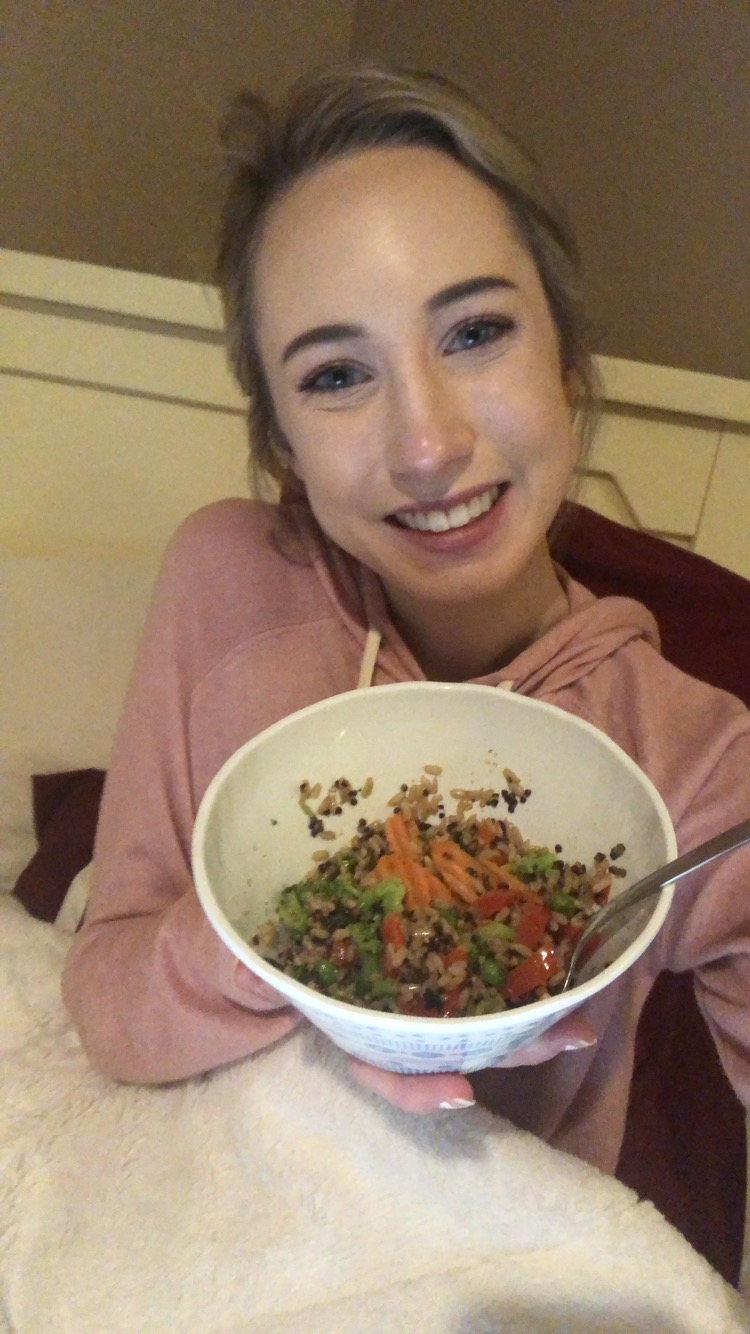
Healing Meal

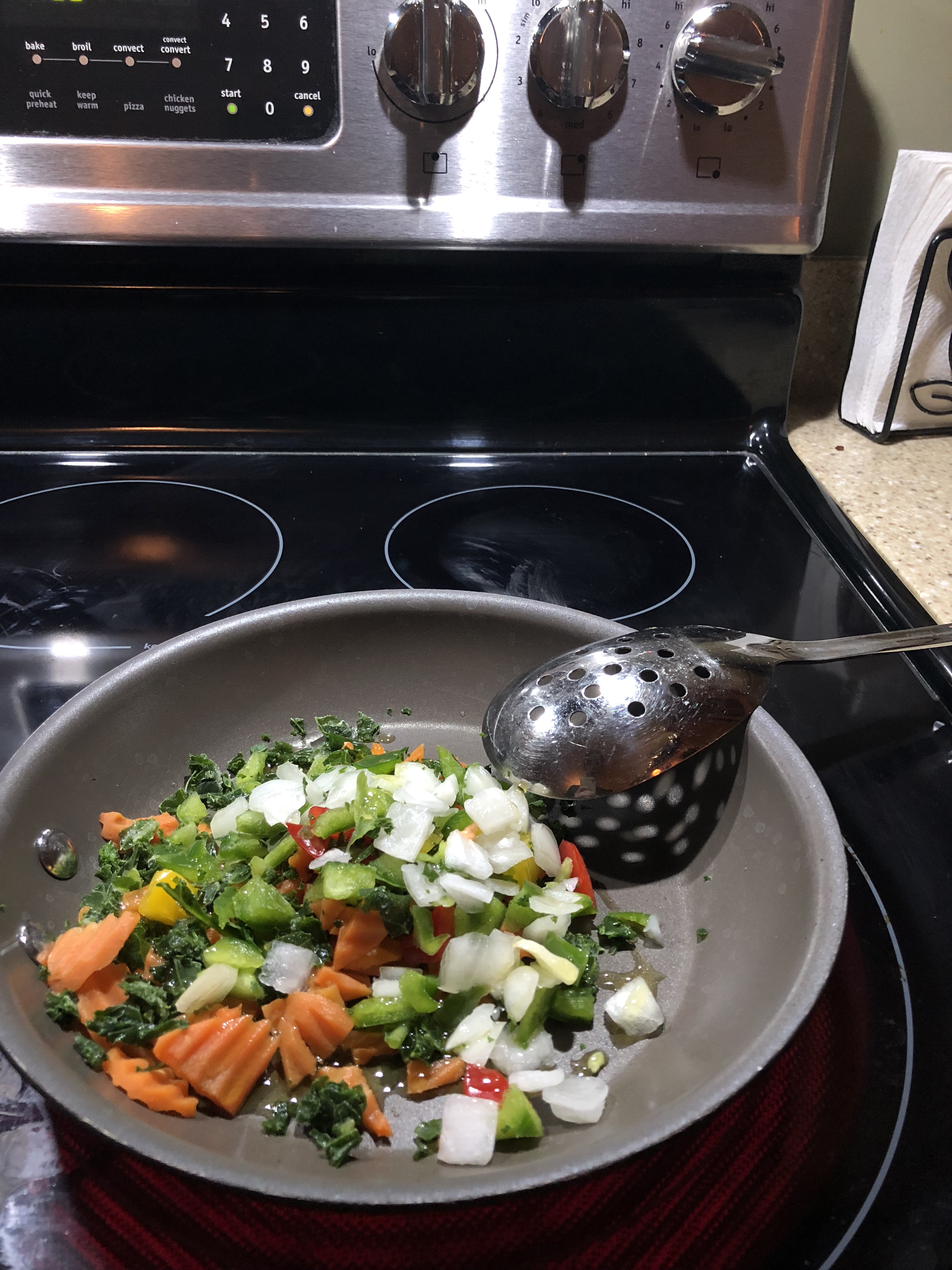
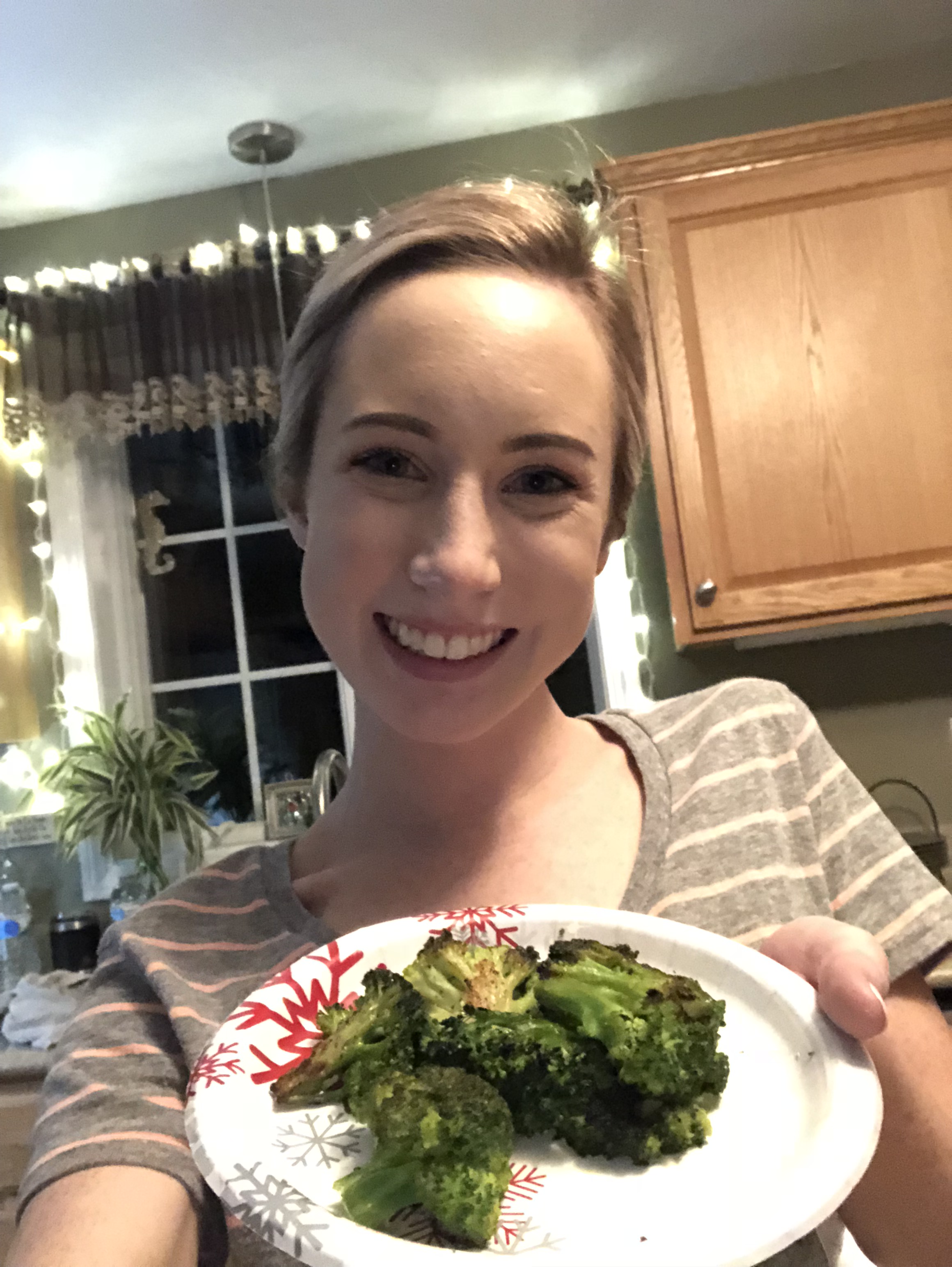
On this particular day I knew I was coming down with a cold, like many other out there this time of year. I knew my body needed some healthy food to get better, so I made a meal of veggies and a mix of rice and quinoa.

Sources: Donatelle, R. J. (2018). My health. Upper Saddle River: Pearson.
What goes into your body and how you view it (Chapter 7-9)

Welcome Back!

CHAPTER 7

Chapter seven, “Alcohol and Tobacco”, explained the consequences of alcohol and tobacco use. The chapter begins by explaining how alcohol, which has been consumed by people throughout history, is used by about 50% of Americans on a regular basis. Unlike alcohol, tobacco use has actually declined in recent decades. Still, 36 million Americans report to have smoked at least once in the past month.

Alcohol is the most common drug used on college campuses. Many of these college students engage in something called binge drinking. This is where for men, five or more drinks are consumed in two hours, and for women, four or mow drinks are consumed. Binge drinking can have dangerous consequences, such as alcohol poisoning and even death. Independence, stress, and social pressures are all contributing factors to college drinking. In a recent study, many students reported doing things under the influence that they later regretted or forgot completely what they did. However, high amounts of college students fortunately reported still having safe sex even when they were under the influence of alcohol. Alcohol is linked to poorer sleep, which has a profound negative impact of the academic performance of students who drink regularly. However, poor academic performance is just one of the many consequences of college drinking. Sixty-one percent of women in college who reported to have been sexually assaulted, had been under the influence of alcohol during the attack. One way that many colleges have attempted to stop the alcohol problems has included required web seminars for incoming freshman. This is something that I have seen BSU use, as I was required to take it even as a transferring sophomore.

Ethyl alcohol, made by a fermentation process, is made of tiny molecules that allow for 20 percent of it to be absorbed through the stomach lining. Things like body weight, the amount consumed, and even mood all determine how quickly that your body absorbs alcohol. It has been proven that quicker absorption of alcohol is related to having a more tense mood while drinking. Consuming energy drinks at the same time as alcohol is something that is often done by students. This can prove to increase the dangers of alcohol. Mixing these drinks leads to a delay in intoxication symptoms and sleepiness, which leads to people consuming larger quantities of alcohol. High concentrations of alcohol , which leads to slower absorption, can cause irritation in the stomach and vomiting.

Once in the bloodstream, alcohol circulated throughout the body and is metabolized in the liver. It is then converted to acetaldehyde, which can cause nausea, vomiting, and eventually liver damage. Alcohol is measured in the ratio of alcohol to total blood volume. This is referred to as blood alcohol concentration (BAC). Different BAC levels correspond to different effects on the body. For example, a BAC of 0.02 corresponds to elevated mood and a relaxed feeling, while a BAC of 0.10 corresponds to impaired driving. Breathalyzers and urine tests can determine if someone is legally intoxicated. Over time, with regular and heavy alcohol use, the body can become more and more tolerant to the effects of alcohol.

Alcohol consumption can have both short-term and long-term effects on your health. The most dramatic effects of alcohol occur in the central nervous system. With alcohol, the system depresses, causing decreased pulse, breathing, and blood pressure. Short-term effects of alcohol consumption include hangovers, which is experienced the morning after drinking. This includes things like upset stomach, anxiety, and headache. Hangovers take about 12 hours to recover from. Other short-term consequences of alcohol consumption include increase in behavior that leads to injury, less than safe sexual decisions, sexual assault, weight gain, and alcohol poisoning. Alcohol poisoning occurs when someone’s BAC quickly reaches a lethal range. This can lead to death, which often occurs as a result of someone choking on their own vomit.

On the other hand, dependence and abuse of alcohol have long-term effects. One of the dangers of alcohol abuse over time is cirrhosis of the liver, where the liver forms scar tissue over time. This damage is permanent if drinking does not decrease. Some evidence even supports that high levels alcohol can lead to a higher risk of breast cancer. Alcohol also decreases the ability for the pancreas to function and for our body’s ability to fight viruses.

Cravings, loss of control, and dependence all characterize alcohol use disorder. Being alarmed at one’s own drinking habits is a sign that it may be a problem. There are many steps that you can take to reduce alcohol consumption. These include setting drinking goals, keeping a journal of your drinking, keeping little to no alcohol in your home, and staying active.

Only a small percentage of alcoholics ever receive treatment in a facility. This is due to things like not being able to admit the problem and and social stigma. Once someone decides that they will go through the process of detoxification, symptoms of delusion and agitated behavior may follow. Treatment facilities put alcoholics through series of physical examinations and therapy sessions. As with any addiction, relapse is possible. This can be avoided with support groups, maintaining stability, and assuming responsibility for one’s own actions.

Tobacco is another thing that is heavily used both in the U.S and on college campuses. Ten percent of college student’s report to have smoked tobacco in the past month, mostly to reduce stress and fit in. Nicotine, tar, and carbon monoxide are all dangerous components of tobacco and its additives. Filtered cigarettes are the most common tobacco product used. Although they have lower amounts of these dangerous components, users end up smoking more of them and exposing themselves to more danger. Other tobacco products that pose a threat are chewing tobacco, cigars, vapes. Tobacco leads to things like increased risk for stroke, colds, flus, and lung cancer. It can also lead to risk in others, even those who do not smoke. This is known as secondhand smoke. Children are especially affected by second hand smoke, and can experience increased coughing and asthma.

Many tissues damaged by smoking can be repaired if the addiction is broken. Within 15 years of quitting, the risk of coronary heart disease reaches the same level as one who had never smoked. Quitting smoking can be aided by medication and mindfulness. When reading this, I connected it to how I wanted to use mindfulness to help aid in my goal. Being aware of how you feel and what your actions due can help in quitting smoking, but also in reaching other goals you may have. This week, I have been successful in maintaining my mindfulness. I especially pay attention to how my body feels when I eat certain foods. I feel noticeably better when I am getting the adequate amount of fruits and veggies in for the day. This is one thing that motivated me to keep on with my goal.

CHAPTER 8

Chapter eight, “Nutrition”, explains the important aspects of nutrition and what we can do to improve in this subject. In order to work successfully, our bodies require certain nutrients. We get these nutrients through foods. Water, proteins, carbohydrates, and fats are needed in high amounts and are called macronutrients. One the other hand, micronutrients are needed in smaller amounts and include vitamins and minerals.

One important essential nutrient is water, which aids cells, transports them throughout the body, and regulates our pH balance, It is recommended that women should get about 9 cups a day and men should get about 13. Reading about the importance of water encouraged me to stay on track on the other part of my goal, which is to drink more water. This is a part that I have been slightly neglecting some days because of my busy schedule. This chapter explains the importance of drinking the adequate amount of water, and has encouraged me this week to pick up my water bottle more often while at work and throughout my day.

Protein is another essential nutrient and are found in every cell in our body. They work to repair muscle, bone, skin, and blood cells. Since I am a vegetarian, I often worry about my protein intake, and rely heavily on veggies to get the correct amount. However, this chapter has taught me that nearly all plant protein is incomplete protein, meaning that it lacks in essential amino acids. This has affected how I have moved forward in my goal this week. The book suggests that by combining different plant proteins, it is easier to get all of the essential proteins that we need. Therefore, I have made sure to get in legumes, grains, nuts, seeds, and green leafy veggies into my diet. Having a more varied source of protein is something that I didn’t know was important. Therefore, I am glad that this chapter has brought this to my attention and has given me suggestions on how to work on it.

Carbohydrates and fats are other essential nutrients that our body’s need. Carbohydrates supply us with energy by easily being converted into glucose, which is the energy source for human cells. Simple carbs can be found in fruits, veggies, and dairy. On the other hand, complex carbs can be found in grains, legumes, cereals, and other vegetables. Fats are another good source of fuel for our body. They also play a role in maintaining hair and skin health, insulating organs, and maintaining body temperature.

This chapter also taught me how to read a food label better. That, mixed with a better understanding of the essential nutrients that our bodies need, has helped me this week pick out better foods. Although my health goal is to eat more fruits and veggies, it can’t hurt to improve in other areas of my nutrition. Eating more fruits and veggies has made me want to start eating better in every aspect of my diet.

This chapter also talked about how to plan a healthy diet. One thing that they suggested doing in making half your plate fruits and vegetables. They also talked about how you should choose red, orange, and dark green veggies, which is something that I have been trying to do with a lot of my meals. The chapter also goes over how you should reduce empty calories. This is something that I keep in mind when choosing fruits and veggies over other foods that provide me with little nutritional gain.

The chapter also talks about vegetarianism, which the book states is a healthy alternative to a meat-based diet. The chapter states this, but only if the person is paying special attention to their diet to make sure that they are not deficient in any area. This ties into my goal, because as a vegetarian, I have been putting a lot of thought into what I eat daily to make sure that I am getting what I need. Eating more fruits and veggies has allowed me to get many nutrients that I need, and has made me more mindful when considering other nutrients as well.

This chapter also touches on food allergies and hypersensitivities. Symptoms of allergic reactions can vary, but can include tingling mouth, swelling of mouth, and difficulty breathing. Food allergy can even turn deadly when something called anaphylaxis occurs. This is yet another thing that ties in my goal of healthy eating. I have a hypersensitivity to gluten, which affects my diet in many way. Although this doesn’t affect the amount of fruits and veggies I am eating, it affects how mindful I am when choosing other foods to make sure that I am getting the proper nutrients discussed in this chapter.

Organic food are those produced with no hormones, pesticides, and chemicals. Many people buy organic produce to ensure that they are not being exposed to harsh substances. It is advised that you should always scrub produce before consumption to make sure that you are not being exposed to these substances. This is something that I have recently been doing because of my increase in fruit and veggie consumption. I even bought a scrubber to scrub my vegetables clean before eating them!

CHAPTER 9

Chapter nine, “Weight Management and Body Image”, talks about the importance of maintaining a healthy body weight and having a good image of your own body. The United States has the highest proportion of obesity at 13 percent. Environments that promote increased unhealthy food intake and physical inactivity are called obesogenic. This is a word often used to describe our society, which I myself can see everyday. With commercials for processed junk food and fast food restaurants, our society doesn’t always encourage people to do their best with their health. Obesity often begins in youth, partly due to easy access to fast food and fewer physical activity requirements in schools. Obesity is not only a problem in the U.S, as the obesity rate has increased globally since 1980. Obesity is also higher in certain populations. For example, Hispanic men and non-Hispanic white men are more likely to be overweight than non-Hispanic black men.

Being overweight has many negative effects on one’s health. Obesity is coming up behind smoking as one of the leading causes of preventable death in the United States. The work preventable made me stop and think about why I was embarking on my health journey. The main thing that motivates me to improve my eating habits is that I can control how healthy I am in the future. The fact that health problems can be prevented by healthy eating motivates me to take care of myself now in order for me to also be healthy i the future. Obesity is linked to serious health conditions like cardiovascular disease, stroke, cancer, hypertension, and sleep apnea. Aside from these health conditions, obesity is also linked to a higher cost for health care.

Obesity can be linked to genetics, as some suggest that there is a genetic basis for how quickly one feels full. Environmental factors such as how often we are exposed to unhealthy food advertising, how fast paced our lives are, and misleading portion size information also determine how likely we are to become overweight or obese. Along with these factors, our lifestyle in general can also determine out weight. How much time we spend sitting has been linked to obesity. The chapter describes how simply standing while ready can decrease our changes of becoming overweight by keeping our leg muscles engaged for a period of time. Pathogens, toxins, drugs, and sleep deprivation also have strong links to increased weight.

To technically be overweight, you must have a body weight more than 10 percent above healthy levels. Being more than 20 percent over healthy levels leads you into the obesity category. On the other hand, being underweight is also dangerous and can also cause problems such as hair loss and impaired vision.

One way to make sure that you are maintaining a healthy weight is by practicing mindful eating and improving eating habits. One way to do this is by understanding calories, which is the amount of energy gained from food or used up during activity. Understanding the importance of exercise is also crucial. Being mindful of your eating habits is yet another way to improve your body weight management and overall health. Mindless eating is often done, which is when we put food into our mouths that we are not even noticing. This leads to overeating, which in turn leads to becoming overweight. We should be more mindful in our eating habits, eating when we are truly hungry and understanding why we are eating and what we are eating. These past weeks I have definitely been trying to be more mindful in my eating habits. I do this by listening to my body and thinking about what each food I eat is going to do for my body. Other strategies that this chapter lists are to keep healthy snacks around in place of unhealthy ones, to choose natural beverages, and to drink hot drinks to keep you feeling satisfied. These are all tips that I will keep in mind when trying to stay healthy while on my health journey.

Body image includes several aspects, including how you see your body, how you feel about your body, and how you act on these thoughts about your body. Social media is one thing that can lead to a negative body image, along with parental pressures and bullying. The chapter lists several tips that can be used to improve body image. Some of these tips are making a list of your good qualities, wearing comfortable clothes that make you feel good, and to show appreciation for your body by making time for a nap or relaxing.

Poor body image can lead to eating disorders, which is when someone exhibits severe disturbances in thoughts, behaviors, and body functioning. Twenty million women and ten million men in the United States will experience an eating disorder in their lifetime. This could be in the form of anorexia, bulimia, binge eating, or a number of other eating disorders that have been defined by the American Psychiatric Association. Many eating disorders have their roots in the person not having control in some aspect of their lives and wanting to have control over food as a response. Poor body image can also cause exercise disorders. Compulsive exercise is often used by people to regulate their emotions. Muscle dysmorphia is an example of an exercise disorder. With this, a person feels as though they are not muscular enough.

Although healthy eating is great for you, when taken to an extreme it can have adverse effects. This is definitely something to keep in mind as I continue on my healthy eating journey. I believe that I do this by still eating things that I enjoy and allowing myself to eat foods that may not have any nutritional benefit for me. In fact, as I write this blog, I am enjoying some coconut milk ice cream! So good! I have to remember that you can still live a healthy lifestyle while enjoying what you eat and enjoying some ice cream here and there!

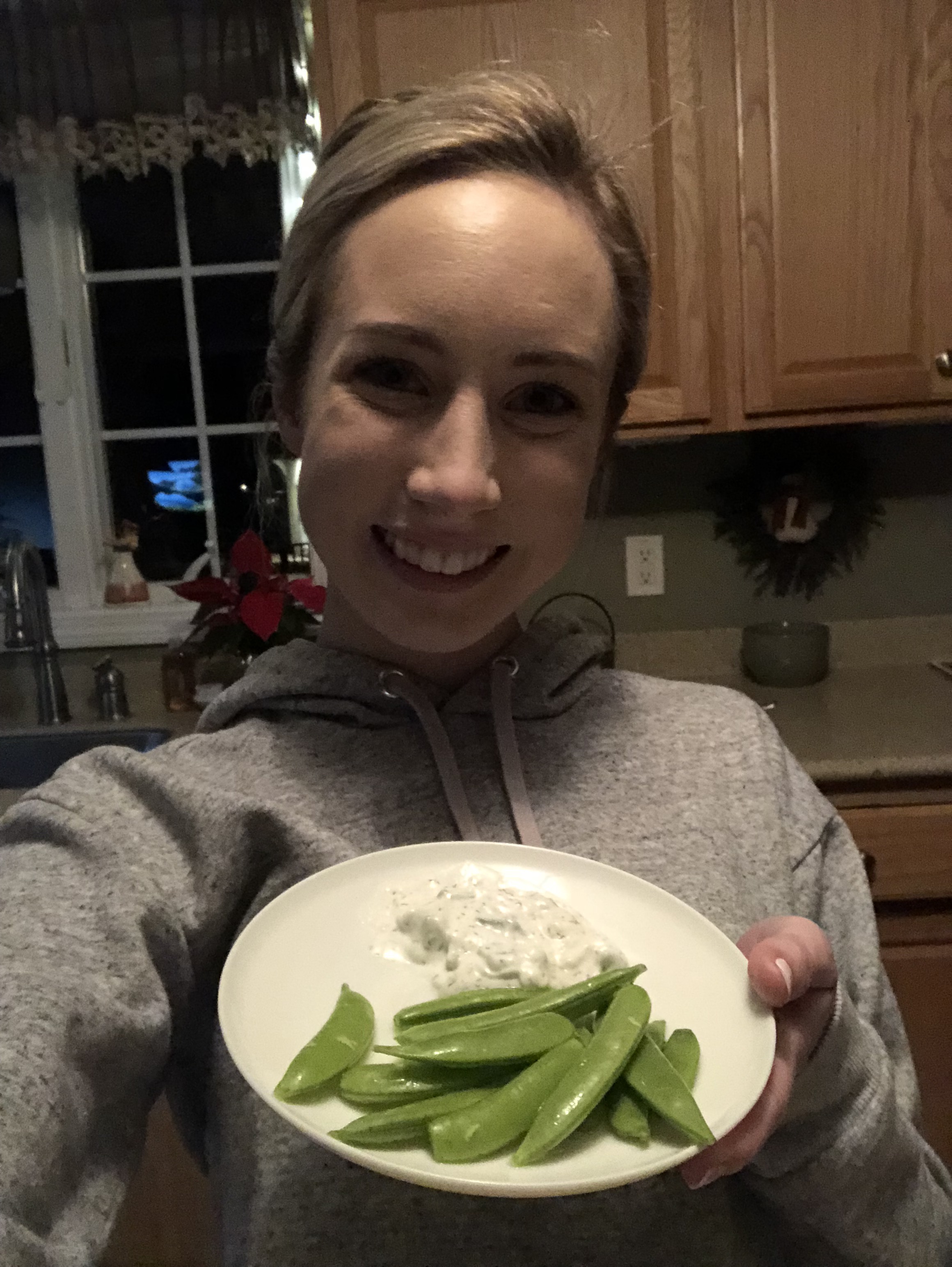
For a healthy snack this week, I tried something new. I had some snap peas dipped in some tzatziki, which is cucumber and garlic dip! This was a nice snack to mix in this week and I highly recommend trying it!

Sources: Donatelle, R. J. (2018). My health. Upper Saddle River: Pearson.
Relationships and Lifestyle Choices (Chapters 4-6)

Welcome Back!

CHAPTER 4

Chapter four, “Relationships and Sexuality”, covered a wide array of elements related to sexuality, relationships, and problems that may occur with these things. An important base to understand before beginning this chapter is the definition of ‘sexuality’, which the book defines as “the thoughts, feelings, and behaviors associated with being male or female, experiencing attraction, being in love, and being in relationships that include sexual intimacy and activity”. This definition encompasses what this chapter is all about.

The chapter discusses the different types of relationships that can occur, from family, to friends, and to romantic relationships. All of these different relationships can have something called intimacy, which is defined by four main characteristics. These include behavioral independence, need fulfillment, emotional attachment, and emotional availability. These elements include thing like fulfilling our needs, giving and receiving emotions, and interdependency. Such as with family and friends, intimate relationships don’t always have to have anything to do with sex. However, when they do, this can lead to romantic relationships. Overall, love can be defined by a common list of elements. Psychologist Robert Sternberg created the Triangle of Love, which helps to define these common elements. He said that the key of loving relationships is intimacy, passion and commitment. Different combinations of these elements can lead to different kinds of relationships, from relationships of empty love (commitment only) to consummate love, which Sternberg described as a perfect combo of all three elements.

The first thing in this chapter that I was able to connect to my goals was the importance of family, friends, and relationships in general to me as I work towards my goal. Interdependency sparked my interest as I was reading this chapter. It reminded me of my boyfriend and I, who play a huge role in making eachother better people. He helps me achieve my goals and has been supportive and excited to help me make healthy meals and snack these past weeks. I guess he probably does it so he can eat the yummy stuff we make also! I think that our ability to rely on each other for motivation allows us to have a more close and intimate relationship. Along with this, my friends and family are also supportive with my goals, and play a huge role in my motivation to eat healthier.

Throughout the course of a relationship, there are things that can go wrong and strategies for creating a lasting and successful relationship. The chapter defines one of the key elements to a relationship as trust, which is measured by predictability, dependability, and faith. Along with trust, proximity is also said to be an important factor in the success of a blooming relationship. The more often you see someone, the chapter notes, the more likely it is for the relationship to occur. Once the relationship is occuring, couples must be willing to confront any problems that come up. One problem that many couples face is jealousy. Believing that the person you are in a relationship with may like someone other than you can bring out underlying problems that may be occuring, like insecurity and possessiveness. Too much jealousy can threaten a healthy relationship. Other issues that may occur is handling the distribution of power and dealing with unmet expectations. Addressing these issues should include an understanding that power should be shared and that expectations should be communicated clearly.

This chapter also touches on the effects of social media on relationships. With the strong presence and use of dating sites and online dating, dating has revolutionized. With this change, there are also new dangers associated with meeting people online, due to the threat that you do not truly know who is on the other side of the computer. Because of this, the chapter discusses how to stay safe while online. These safety tips include meeting in a public space and letting someone know where you will be going. The chapter also discusses later how important it is to be honest in your online profiles when meeting people over the internet. This honesty and responsibility also comes into play with other aspects of your life, including employment. Many employers use social media screening to weed out future employers. Because of this, the nature of comments, privacy settings, and your reputation should all be kept in mind when using the internet.

The chapter discusses the importance of communication in a relationship, which includes things like gestures, words, and body language. How we express ourselves through these types of communication plays a role in how other interact back to us. For example, when we show that we are happy and positive, other people are more likely to open up to us. Opening up, according to the chapter, is also called self-disclosure, which is also an important element of relationships. You must be willing to share parts of yourself with the person you are in a relationship with. Styles of communications vary when comparing males and females. For example, women are more likely to smile and take up less space, while men are more likely to frown and take up more of the space. Understanding these differences can help people understand why someone they are communicating with is acting as they are, possibly avoiding confusion and frustration.

Other skills for better communication, as noted by the chapter, mindful listening and nonverbal communication. Some ways that we can practice more mindful listening is by avoiding distractions and asking for clarification when you need it. Nonverbal communication can be used through eye contact and gestures, and can contribute to your partner receiving a better understanding of what you are saying. The chapter goes on to discuss how communication, and other problems, can be resolved. This includes a series of steps, which are the following: 1. Identify the problem, 2. Generate possible solutions, 3. Evaluate solutions, 4. Decide on the best solution, 5. Implement to solution, and 6. Follow up on the solution. Overall, following these steps and treating your partner as you would want to be treated can help resolve conflicts that may arise.

When relationships succeed, committed relationships occur. One example of this is marriage, which is a legal agreement between two people. In general, people in the U.S are not getting married as often and as young as they once were. Another example of committed relationships is cohabitation, which is when two unmarried people in a relationship liver together. This is becoming an alternative to marriage to many people, or a step before marriage for others. Gay and lesbian marriages are also becoming more accepted, but they often face more challenges, as discrimination still exists towards these groups. On the opposite of successful committed relationships are those who break up. Knowing how to deal with the loss of a relationship, for whatever reason, is important. This includes acknowledging the rough spot and spending time with family and friends.

Another important aspect of this chapter was sexuality. They began this topic with defining sexuality, which is your sense of your own sexual being. Your sexual identity is influenced by genetics, psychology, environment, and social interactions. One element of sexuality that this chapter discusses is gender roles. According to how parents influence a child’s decision can influence how the child presents as male or female. Gender role stereotypes, which is how each gender is expected to act according to society, can cause conflict when it comes to expressing maleness and femaleness. On the other hand is gender identity, which is one’s sense of being male or female. When conflict occurs in this, the person is transgender.

Responsible and satisfying sexual behavior includes acknowledging and accepting your sexual identity and orientation. Along with this, understanding sex and good communications also serve as good foundations for responsible and adequate sexual behavior. Things like drugs and alcohol can also be contributors to unsatisfying sexual behavior.

As mentioned before, something in this chapter that I was able to connect to my goals was the importance of successful and intimate relationships when you are working towards a goal. Many tips from this chapter can be used to build my relationships stronger, which will in turn help me be the best I can be in my goals. However, another aspect of this chapter that I linked to my goal was the importance of self-nurturance. The chapter discusses the importance of realistic appreciation of your self worth and ability. I know this is important in my goals, because I know I can’t be too hard on myself and expect my diet to contain all fruits and veggies and none of the fun stuff! But recognizing that I do have the ability to do better motivated me to keep going and doing better and better each day.

If you don’t believe in yourself you will fall short in achieving your goals! You are your own worst critic, and this chapter emphasized this, noting the importance of good self-esteem and how important it is as a base for everything in your life.

CHAPTER 5

Chapter five, “Reproductive Choices”, discusses the different methods of contraception and what happen when someone does get pregnant. Technology today allows us to better be able to control fertility, which is a person’s ability to reproduce. Not only are contraceptive methods used to prevent pregnancy, but they can also be used to prevent STIs, which are sexually transmitted infections.

Barrier methods of contraception work to prevent conception by preventing the sperm from reaching the egg, which is how conception occurs. Examples of this method are the male and female condoms. The male condom is a thin layer of material that is rolled onto the man’s penis to catch the semen before it is able to enter the vagina. The use of the proper lubrication, proper storage, and inspection of condoms before use can all aid in more effective use of male condoms. Although the only means of birth control for men and a good protector against STIs, the male condom has a lot of potential for user error, leading to a typical use effectiveness of 82%. The female condom, on the other hand, is a thin sheath that is rather inserted into the vagina. Although there is less loss of sensation as compared to the male condom and a protection against STIs, the female condom also has room for user error, breakage, and has a typical use effectiveness of just 79%.

There are also several other barrier methods for preventing pregnancy. Spermicides are one of these methods, which are materials used to kill sperm before it has a chance to fertilize. Jellies, creams, and foams are all spermicides that are inserted into the vagina. When inserted far enough, they act as both a chemical and physical barrier against sperm. Suppositories are a little different, as they are inserted into the vagina, where they then melt. They release spermicide that is active for 3 hours. As for the advantages of spermicides, they are cheap, easy to get, and simple to use. However, they are most effective when used with another barrier method such as a condom. When used alone, they offer a 72-82 percent effectiveness. Downsides of spermicides are that they can be messy and may even increase your chance of getting an STI. Another barrier method is a contraceptive sponge, which is moistened with water to activate spermicide and then folded and inserted into the vagina. This method is convenient and even lasts for 24 hours. It offers 91 percent protection with perfect use and 88 percent protection with typical use. On the downside, it only offers limited STI protection and toxic shock syndrome has occurred in some uses. Another barrier method that the chapter discusses is the diaphragm. The diaphragm, invented in the mid-nineteenth century, was actually the first widely used birth control method for women. A shallow cup made of latex, the diaphragm is filled with spermicide and inserted in front of the cervix. The device must be fitted by a medical professional, but after that, the only expense is spermicide. They can be up to 94 percent effective and provide some protections against some STIs. They do, however, have the chance of being used incorrectly and must remain in the vagina for 6 to 8 hours after intercourse.

Another form of contraception that this chapter discusses is hormonal contraception, also known as birth control. This form of birth control contains synthetic estrogen, progestin, or both, which mimic the natural hormones that a women’s ovaries produce during ovulation and the menstrual cycle. This method changed the women’s biology by preventing the release of an egg. The synthetic hormones also change the physical nature of the women’s reproductive system in a way that makes it harder for the sperm to reach the egg if it does get released. Progestin can work to thicken cervical mucus and thin the uterine lining, which both make it harder for the sperm to travel and for an egg to implant. Most pills are more than 99 percent effective at preventing pregnancy when used correctly. As opposed to barrier methods, it is much easier to use birth control pills perfectly. Birth control pills also lessen the severity of PMS symptoms and even prevent many health conditions like ovarian cancers and cysts. Some side effects can come along with the use of birth control pills, including the risk of serious health problems such as blood clots and stroke. Other side effects are nausea, acne, and weight gain.

While birth control pills must be taken every day, other hormonal methods do not need as much maintenance. One of these methods is Xulane, which is a skin patch that is worn for 1 week at a time, for 3 weeks in a row. The patch releases estrogen and progestin into the bloodstream. Advantages that comes with the use of the patch are the it is easier to remember to use than birth control and offers similar health benefits, such as reducing the risk of certain cancers, as birth control. Some disadvantages are that they come with a monthly expense, prescription, and offer no STI protection. Another hormonal method is the NuvaRing, which is a contraceptive ring that is inserted into the vagina by the user and left in for 3 weeks. The ring is removed for the fourth week for a menstrual period. The ring releases estrogen and progestin, and can be up to 99.7 effective with perfect use. Like other hormonal methods, the ring comes with a monthly expense and initial exam. Other disadvantages can be irritation and the fact that you cannot use certain vaginal medications when the ring is inserted. Another hormonal method is the Depo-Provera, which is an injection of long lasting progestin that takes effect 24 hours after injection. One advantage is the possibility of feeling more sexually spontaneous due to the fact that you don’t have to remember to take a pill or insert anything. There are no health risks, can be used while breastfeeding, and there is little chance of error because it is administered by a professional. This method can be up to 99.8 percent effective. On the other hand, the shot offers not STI protection and carries side effects such as headache and anxiety. Lastly, there is the Nexplanon, which is a contraceptive implant that is inserted in the arm. The implant is highly effective with a 99.95 percent effectiveness rate and only needs replacing every 3 years. Advantages include a high cost and side effects such as irritation and scarring.

Another form of contraception is intrauterine devices, or an IUD. Inserted into the uterus, the small plastic device can be left in for 3 to 10 years. They are over 99 percent effective and is effective immediately. They also offer a method that doesn’t interrupt sex. On the other hand, disadvantages may include discomfort, acne, and mood swings. However, these side effects usually go away after the first month or so.

There are also behavioral methods, like withdrawal and abstinence that can be used to prevent pregnancy. If a pair fails to use contraception or their method is misused, an emergency contraceptive is available without a prescription. These pills, known as ECPs, are safe to use but can also be expensive.

Either planned or when contraceptive methods fail or are not used, pregnancy can occur when a sperm meets an egg. With pregnancy, finances, emotional health, and physical health all need to be considered and are important when planning for a baby. Both the health of the mother and the father are important when planning to become pregnant and during pregnancy. Nutrition and exercise are crucial for a healthy baby, especially the nutrients of folic acid and calcium. Smoking and other teratogens can also pose major threat to a developing fetus.

Although it is hard to directly relate my goal to this chapter, I was able to relate it somewhat. When reading about the importance of good nutrition in a mother even before becoming pregnant, I realized yet another important advantage of creating healthy eating habits. Not only does good nutrition set up a healthy future for myself, but it also sets up a healthy future for my children as well. Although I am too young to have children now, starting my good healthy habits now will make it easier to have those same habits when I am looking to get pregnant and eventually have children. It will be important for their development, my health, and their future healthy eating habits as well. Along with things like finances and emotional health, the health of your own body is another important thing to consider when thinking about planning a pregnancy. One day, my healthy habits will allow me to easily check off that box.

CHAPTER 6

Chapter six, “Addiction and Drug Abuse”, is all about the nature of drug abuse, including commonly abused drugs and treatment for those who abuse them. The book defines addiction as “a persistent, compulsive dependence on a behavior or substance, despite ongoing negative consequences”. When a person engages continuously in an addictive behavior, they develop a physiological dependence, in which the body adapts to the behavior. The chapter defines five symptoms that are present in addiction: compulsion, loss of control, negative consequences, denial, and inability to abstain. Biologically, some people are more likely to become addicted to an exposed thing, due to a lack of neurotransmitters in the brain. Prolonged addiction can lead to tolerance, in which large quantities are needed in order to get the desired result. People with low self esteem have also been found to be more susceptible to addiction. Brain processes, such as memory and emotional state, have also been linked to have an effect on susceptibility. The social learning theory also offers the idea that people who see others who suffer from addiction are also more likely to do the same. This is one example of the environmental impact of addiction. Addiction also has a profound effect on the family and friends of the addict, often leading to codependence. This makes it difficult to set boundaries, often leading to family and friends becoming enablers who help the addict to continue on their negative path.

Although drugs and alcohol is the first thing often associated with addiction, other addictions may occur. This includes becoming addicted to gambling, shopping, technology, work, exercise, and sexual behaviors. Although one addiction usually prevails, about 55 percent of addicts have more than one addiction.

There are many different types of drugs, all of which alter the brain in different ways. These drugs can be classified into six categories: prescription, over the counter, recreational, herbal, illicit, and commercial. There are also many different ways that these drugs can be taken into the human body. They can be taken orally, inhaled, injected, transdermal (through the skin), or through suppositories. Through these different ways, the drug eventually makes it way to the bloodstream and to receptor sites, where the drug is able to affect different body or psychological functioning.

Abuse of over-the-counter drugs is common among drug abuse and is seen with things like sleep aids, cold medicines, and diet pills. Opioids and painkillers are also often misused and become addictive. Misuse of drugs is a threat among college campuses, with 12 percent of college students admitting to have illegally using prescription drugs in the past year.

There are many different commonly used drugs, one of which are stimulants, such as cocaine, methamphetamine, and even caffeine. All of these stimulants cause an increase response in the central nervous system, resulting in things like jitters and increased activity. Marijuana is also a common drug that is abused. Marijuana contains THC, which is a psychoactive substance. Prolonged use of marijuana, which is most often smoked, can have negative effects on your lungs that can lead to chronic lung conditions like asthma. Depressants are another commonly used drug, which decreases the activity of your central nervous system. Examples of these are opioids and heroin, both of which can result in extreme withdrawal symptoms. Other commonly used drugs include hallucinogens, inhalants, and anabolic steroids.

Recovering from addiction is often a lifelong experience, often beginning with an intervention. An intervention is a planned process of family and friends to get the addict to break free from denial and admit that they have a problem. After intervention, it is hoped that the addict will be willing to begin a treatment program, starting with abstinence, or refraining from the behavior. The treatment process is long, and consists of the addict adjusting physically and mentally to a live without the behavior they were once addicted to. Medical intervention, coaching, and even vaccines are all ways to help an addict break their addiction. Unfortunately, there is always the possibility of a relapse, or return to the behavior. One way to prevent this is through Mindfulness-Based Relapse Prevention, in which mindfulness is used to bring the person to become aware of the triggers and cravings they may have. Through education, awareness, and funding for programs, it is hoped that illegal drug use problem in the United States can be stopped.

Immediately, this chapter made me think about how some people develop addictions surrounding food. While I have never had an addiction towards junk food, I know that it is a real thing to have a food addiction. On the other hand, I also know that some people become addicted to healthy food and dieting. This can be just as dangerous. I believe that healthy eating is all about finding a happy medium, which is what I try to do day to day with my diet. If I have my fruits and veggies for the day, or even if I slack on a meal, I do not let myself feel guilty for treating myself to a treat at the end of the day. It is when this becomes too often, or when the guilt becomes debilitating, when this could become a problem for some people.

What have I been eating this week?

Quick and easy crispy broccoli!

Healthy Snack!

My go-to way to cook veggies is to sprinkle with olive oil and garlic salt and to roast in the oven. So quick and so good! This night, I wanted a snack and knew that I hadn’t reached my goal amount of veggies for the day. So, I grabbed some broccoli, sprinkled with olive oil, garlic salt, and red pepper, and popped them in the oven for 30 minutes until they were nice and crispy.

As I mentioned in my previous post, I try to eat the rainbow! This means that I try to get as many colors of fruits and veggies as I can. This ensures that I am getting all of the possible nutrients that each different food has to offer! This picture is from my egg muffins that I made this week that I talk about more below!

Grab-n-Go Breakfast or snack!

For these egg muffins, I simply beat some eggs and mixed in some veggies that I had sauteed with garlic for about 10 minutes. I added some cheese and seasoning and poured the mixture into a muffin pan. These went into the oven for about 20 minutes. These are great to have either alone or sandwiched between two pieces of bread for a breakfast sandwich! Super good and a great way to get some veggies into your meal!

Sources: Donatelle, R. J. (2018). My health. Upper Saddle River: Pearson.
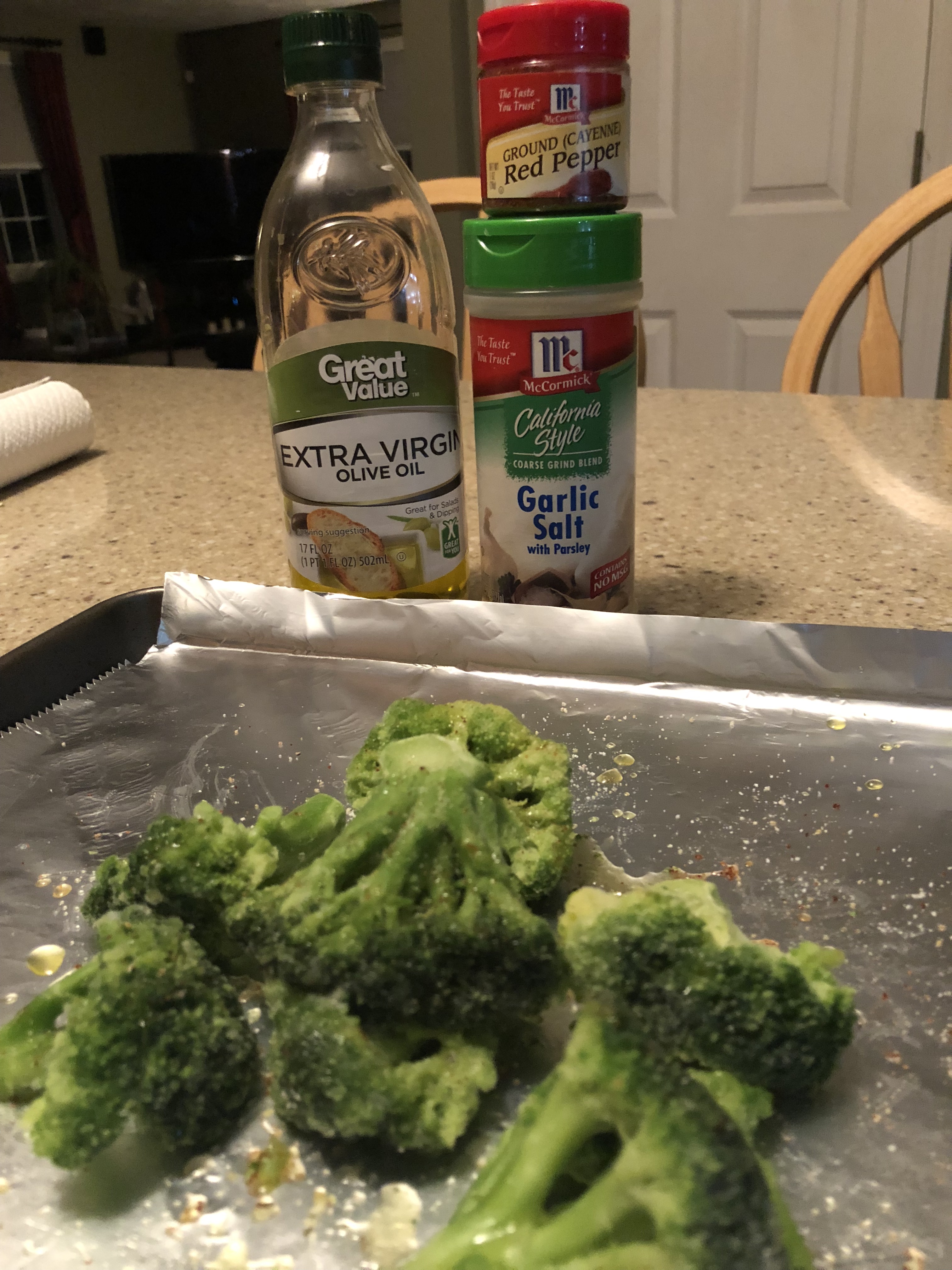
Healthy Mind, Healthy Body (Chapters 1-3)

“A happy mind is a healthy mind, and a healthy mind is good for the body”

-Dalai Lama

Welcome back!

Starting with chapter one, I learned a lot about how to make a healthy change! When reading about how the way people perceived health changed in the 1940’s, I realized one of the main reasons that I wanted to start my own healthy change of eating more fruits and veggies. The chapter discussed that how before this time, people who lived longer were assumed to just have good genes and luck. However, beginning in the 1940’s, people began to see that focus should be more on preventative measures. This introduced the ecological health model. Instead of dealing with illness and disease when it was often too late, more importance was placed on controlling the things that can lead to illness before it had the chance to act. While reading this chapter, I realized that a lot of my motivation for changing my diet has to do with this health promotion idea that was introduced at this time. Instead of letting luck guide my health, I have realized that I want to take charge of health. It makes me feel better knowing that I am doing what I can to make a better and healthier future for myself.

The chapter goes on to discuss the importance of including all 6 dimensions of health into your life. Even though my goal is simply eating more fruits and vegetables in my every day diet, I have learned from this chapter the importance of all six health dimensions when it comes to my overall wellness. I connect this with my own belief that improving your physical health need to start with a healthy mindset. In order to achieve my goals, I need to also make sure that I am healthy in the other five dimensions: spiritual, social, intellectual, emotional, and environmental. For example, I need to make sure that I am taking care of myself emotionally, or else my eating habits may not be successful. One way that I have included this idea into my own journey is by exercising more and cleaning out my room. Making sure that other areas of my life are healthy allows me to achieve more in what I want to do.

Chapter two goes on to talk more about the importance of psychological health, which addresses how we think and feel. One thing in this chapter that sparked my interest when thinking about my health goal is mindfulness, which is our ability to be present in the moment. I think that this is something that I could work on along side my healthy eating goal in order to succeed. By evaluating how I truly feel each day, I can get a better feel for how my body is feeling and how my actions affect how I feel. I think that I have already practiced mindfulness to a degree, because I have realized how good both my mind and body feel after a week of increasing the amount of fruits and veggies I am eating. I also have realized that psychological health is important for having an increased healthy lifespan, which is one thing that motivates me to take care of my body. As the chapter notes, psychological health is just as important to maintain as physical health is. This is something that I have kept in mind a lot as I start my journey. Having a positive and healthy mindset has given me a great base to be successful with the goals I have set.

Chapter three goes on to talk about something that many people, especially us college students, deal with on a daily basis. That is stress! As the chapter notes, stress can have severe impacts on our health, including digestive problems, acne, and even impaired immunity. Stress links back to our psychological health, which is important to maintain. One thing that caught my eye in this chapter was the importance of good self-esteem. Eating healthy is something that overall makes me feel better about myself and I have realized that as I start my healthy eating journey. And higher self-esteem is linked to less stress! This has motivated me to eat healthier, as my healthy eating makes me have better self-esteem, and overall makes me feel physically better day to day. This all links back to less stress. And who doesn’t need a little less stress in their lives? Another thing that this chapter mentioned is practicing yoga to reduce stress. This is something that I have thought about doing in addition to my healthy eating. As chapter one reminded me, I can not neglect other areas of my health while trying to improve another. So, I hope to not only continue on my fruit and veggie goals, but to make sure that my mind is on the right path as well along the journey.

What have I been eating this week?

Sunday Morning Breakfast:

For sunday morning, I wanted to make a breakfast for my boyfriend and I that was enjoyable, yet got in a serving of fruit for the day. One thing that I believe strongly in for my diet is compromise. I do not think that healthy eating has to be strict and not enjoyable. So, I cooked up some pancakes. But instead of pairing them with a side of hash browns, I cut some fresh fruit for a fruit salad instead. Instead of filling up on pancakes, I made sure I left room to finish my cup of fresh fruit. Although not the most fun choice all of the time, I have learned to love making fruit salad and enjoy fruits as a snack throughout the day!

Monday Coffee Shop Day:

On Monday, I visited on of my favorite coffee shops. Wildflour in Pawtucket has many healthy choices, including vegan and gluten free foods. They even have wheatgrass shots, which after researching a bit, I decided to give it a try. Just 2 ounces of wheatgrass is the equivalent of 5 pounds of green leafy vegetables! I thought this would be an easy, foolproof way to get my veggies in for the day! I wouldn’t recommend relying on this grassy tasting shot for veggies every day. I like to incorporate vegetables into my everyday meals to get myself into healthy eating habits. However, I think it could be a go-to addition for days where you are busy or indulging in a little too many not-as-good food choices.

At the same coffee shop, I also tried a chocolate avocado pudding! This was super good and an easy way to sneak some vegetables into my diet. As noted in the chapter, the importance of managing psychological health and stress are just as important as your physical health. For me, making sure that I am enjoying the foods that I am eating helps me stay motivated and happy. I love finding foods like this, because I know I am eating healthy and I am still satisfying my sweet tooth!

Monday Dinner: Zucchini “Meatballs”

Monday night, I made these amazing zucchini meatballs! They completely satisfied my desire for something savory, while at the same time got one of my servings of veggies in for that day!

Here is the recipe if you want to try!

https://www.delish.com/cooking/recipe-ideas/recipes/a48034/zucchini-meatballs-recipe/

With the zucchini “meatballs”, I made a side of crispy carrots. I have found that this is my favorite way to have one of my favorite vegetables! I simply put the carrots on baking sheet, drizzle them with olive oil, and sprinkle them with garlic salt and pepper. From there, they go in the oven at 350 degrees until they are crispy and browned. This is such a good side for any meal, or even a great snack! They are like chips, but get in a serving of vegetables for the day!

Tuesday Dinner: Veggie Packed Stir-Fry

The last meal that I documented this week is a go-to for me. Stir-fries are any easy way to get in a serving or two of veggies in for the day! I simple saute a variety of vegetables with garlic and olive oil and add in some rice at the end! I hear once that you should “eat the rainbow”, and that is something that I have been keeping in mind this week. Eating a wide variety of colors of fruits and veggies ensures that you are getting everything that these foods have to offer! A stir-fry is a great way to throw all of these colors together in an easy and quick meal.

I have found that it is much easier to get my servings of fruit into my diet every day as compared to getting my veggies in. I have been having a piece of fruit, such as an apple, orange, or banana with my breakfast every day and snack on fruit throughout the day. I’ve also been doing good with getting more water every day! I have a water bottle that I make sure I fill three times a day to get the recommended daily amount. I have been feeling motivated and eating healthy has made my body and mind feel great! As the chapters touch on, eating healthy has made all areas of my health improve, from mental health to stress levels. At the same time, improving other areas of my health also lead me to make better choices for my physical health.

Sources: Donatelle, R. J. (2018). My health. Upper Saddle River: Pearson.
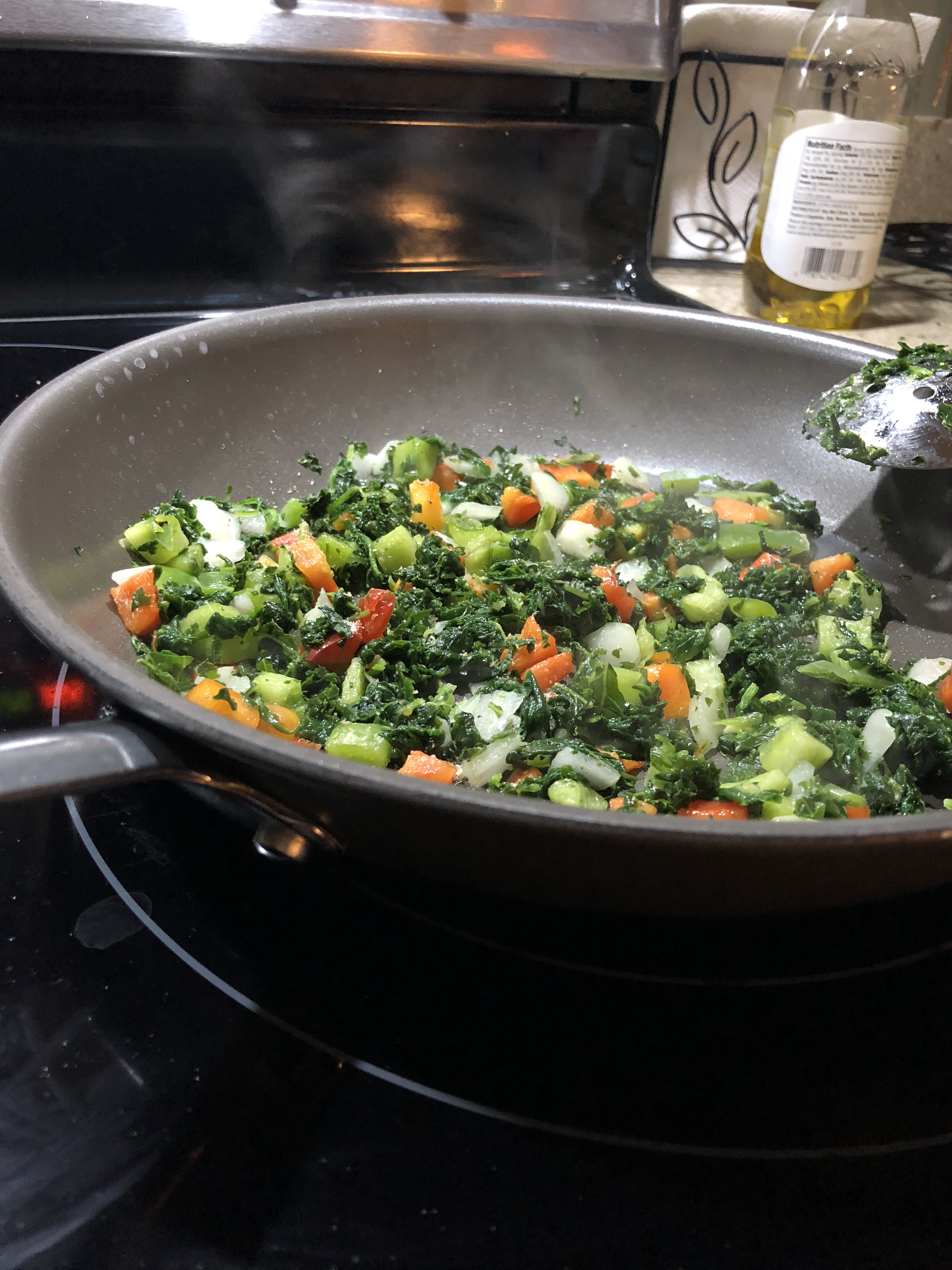
Get to know me!

Hello!

My name is Andrea Estabrooks. I am currently a junior at BSU, working towards a major in communication sciences and disorders and a minor in health promotions (which led me to this class)! I love adventuring and experiencing new and different things. In the past year, I have gotten more interested in health and fitness, particularly the healthy eating aspect of it all. It amazes me what good foods can do for your body! This interest has also led me to a job at a health and fitness shop, where I prepare healthy meals and smoothies for others who also want to fuel their body with good, wholesome foods.

While I do have an interest in healthy eating, I do often see myself falling behind when it comes to getting the right amount of fruits and veggies throughout the day. With my always moving/on the go personality I often find myself skimping on my fruits and veggies. I have chosen this as the health aspect that I want to work on throughout this course, and hopefully will follow through with after the course is done. For my goal, I want to get 3 servings of vegetables and 2 servings of fruit into my diet each day. Along with this, I want to stay on top of drinking at least 64 fl oz of water every day! I love cooking and finding new recipes so I am excited to spend more of my time prioritizing my diet!

I hope you all enjoy and maybe get some inspiration as I find new ways to get more fruits and veggies into my life!

-Andrea